 Gerald Kyalo. (geraldbway).
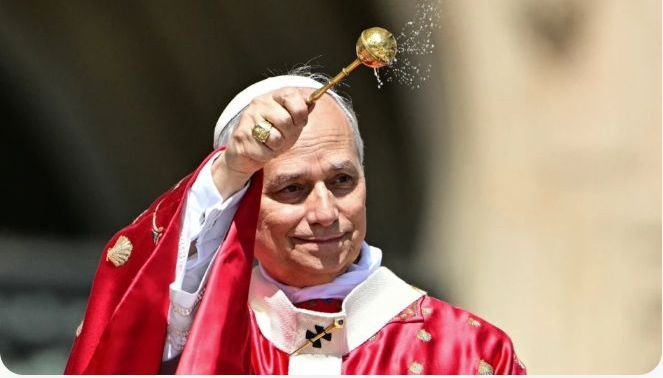
Pope Leo XIV delivered a heartfelt call for peace on Sunday, urging “those who have the power to unleash wars” to “choose peace” during his first Easter blessing as pontiff. His message came as the Middle East continues to reel from escalating conflict, which began with US-Israeli strikes against Iran on February 28 and has since engulfed the region, destabilizing not only local communities but also the global economy.
“We are growing accustomed to violence, resigning ourselves to it, and becoming indifferent. Indifferent to the deaths of thousands of people,” the pope told a crowd gathered at St. Peter’s Square in Rome. His words resonated across a world where millions of Catholics were observing Easter under the shadow of war, fear, and uncertainty.
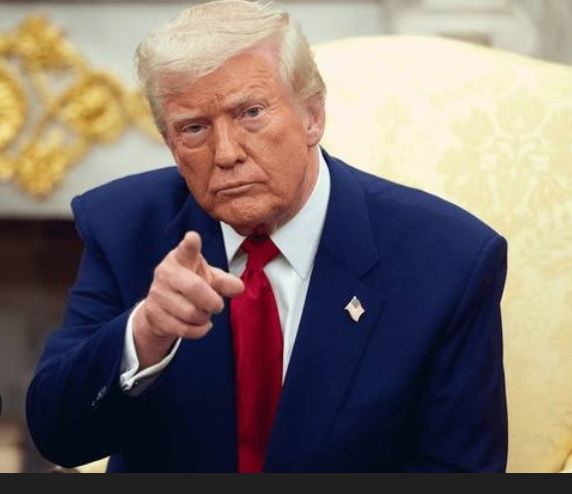
Leo XIV, elected in May 2025 to succeed Pope Francis, has repeatedly appealed for an end to hostilities in the Middle East. In a direct message earlier this week, he urged US President Donald Trump to find an “off-ramp” to de-escalate tensions. On Sunday, the pope spoke passionately about “a world ravaged by wars and marked by a hatred and indifference that make us feel powerless in the face of evil.”
The pontiff also announced a prayer vigil at the Vatican on April 11, aimed at uniting the faithful in supplication for peace and reconciliation. Paying tribute to his predecessor, Pope Francis, who last appeared publicly on Easter Sunday the previous year just hours before his passing, Leo XIV emphasized the importance of spiritual leadership in times of global crisis.
Meanwhile, the Middle East itself presented a stark contrast to the celebratory mood of Easter. In Jerusalem, the streets of the Old City were unusually silent. The Church of the Holy Sepulchre, a central site of Christian pilgrimage where believers commemorate Christ’s crucifixion and resurrection, was largely inaccessible due to heightened security measures imposed by Israeli authorities. Only a limited number of worshippers were permitted to approach the church, passing through police checkpoints that scrutinized every visitor. Shops in the vicinity remained closed, amplifying the sense of emptiness and fear.
For many pilgrims, the experience was profoundly disheartening. Christina Toderas, 44, from Romania, described her attempt to celebrate Easter under these conditions: “It’s very hard for all of us because it’s our holiday… It’s really hard to want to pray but to come here and find nothing. Everything is closed.” Similarly, 65-year-old Otmar Wassermann recounted his frustration at being unable to enter the Holy Sepulchre, a site that usually teems with pilgrims from around the world.
The Latin Patriarch of Jerusalem, Cardinal Pierbattista Pizzaballa, highlighted the extraordinary circumstances during his Easter Vigil homily at the Holy Sepulchre. Prevented by Israeli police from holding mass at the church—a move that drew widespread international criticism—he spoke of “a silence that is almost absolute, broken perhaps by the distant sound of what war continues to sow in this holy and torn land.”
The conflict’s impact extended beyond Israel. In Lebanon, majority-Christian areas in the south are caught in crossfire between Israeli forces and the Iran-backed Hezbollah movement. In the border town of Debel, residents observed Easter Sunday amid ongoing bombardments that left the village isolated and dependent on humanitarian aid. Town notable Joseph Attieh spoke to AFP by phone about the dire situation: “The situation is tragic. People are terrified, and the sound of shelling and gunfire has not stopped for a moment since last night. We haven’t been able to sleep. We are putting our trust in God, since this is the only glimmer of hope we will not give up on.”
Christian minorities in other parts of the region also faced disruptions to traditional Easter celebrations. In Dubai, Catholic authorities canceled masses indefinitely as a precautionary measure amid rising regional insecurity. Damascus authorities restricted Easter festivities to limited mass services after an attack targeted a Christian town in central Syria, underscoring the widespread fear and uncertainty gripping the region.
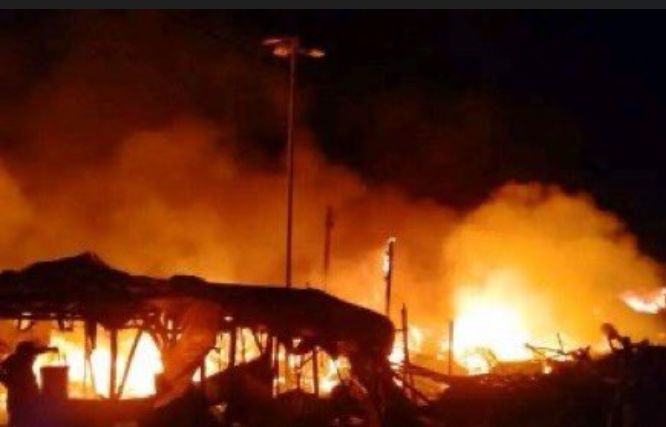
The Middle East conflict, now several months old, has drawn attention to the fragility of peace in a region historically prone to tension and violence. Beyond its immediate human toll, the war has disrupted economies, displaced families, and heightened political instability, creating ripple effects that extend well beyond the region.
For the global Catholic community, Pope Leo XIV’s Easter message was both a warning and a beacon of hope. By urging world leaders to embrace diplomacy over destruction, the pope reminded millions that faith is not merely a private consolation but also a moral compass guiding actions in times of crisis.
As the faithful light candles and pray in quiet homes and distant churches, the words of Pope Leo XIV serve as a sobering reminder of the cost of indifference. They also signal a call to action—a call to protect life, seek understanding, and, above all, choose peace. In a world marked by conflict, the pope’s Easter blessing echoed across continents, offering both a solemn reflection on human suffering and a hopeful plea for a future where reconciliation triumphs over war.
“We are growing accustomed to violence, resigning ourselves to it, and becoming indifferent. Indifferent to the deaths of thousands of people,” the pope told a crowd gathered at St. Peter’s Square in Rome. His words resonated across a world where millions of Catholics were observing Easter under the shadow of war, fear, and uncertainty.
Leo XIV, elected in May 2025 to succeed Pope Francis, has repeatedly appealed for an end to hostilities in the Middle East. In a direct message earlier this week, he urged US President Donald Trump to find an “off-ramp” to de-escalate tensions. On Sunday, the pope spoke passionately about “a world ravaged by wars and marked by a hatred and indifference that make us feel powerless in the face of evil.”
The pontiff also announced a prayer vigil at the Vatican on April 11, aimed at uniting the faithful in supplication for peace and reconciliation. Paying tribute to his predecessor, Pope Francis, who last appeared publicly on Easter Sunday the previous year just hours before his passing, Leo XIV emphasized the importance of spiritual leadership in times of global crisis.
Meanwhile, the Middle East itself presented a stark contrast to the celebratory mood of Easter. In Jerusalem, the streets of the Old City were unusually silent. The Church of the Holy Sepulchre, a central site of Christian pilgrimage where believers commemorate Christ’s crucifixion and resurrection, was largely inaccessible due to heightened security measures imposed by Israeli authorities. Only a limited number of worshippers were permitted to approach the church, passing through police checkpoints that scrutinized every visitor. Shops in the vicinity remained closed, amplifying the sense of emptiness and fear.
For many pilgrims, the experience was profoundly disheartening. Christina Toderas, 44, from Romania, described her attempt to celebrate Easter under these conditions: “It’s very hard for all of us because it’s our holiday… It’s really hard to want to pray but to come here and find nothing. Everything is closed.” Similarly, 65-year-old Otmar Wassermann recounted his frustration at being unable to enter the Holy Sepulchre, a site that usually teems with pilgrims from around the world.
The Latin Patriarch of Jerusalem, Cardinal Pierbattista Pizzaballa, highlighted the extraordinary circumstances during his Easter Vigil homily at the Holy Sepulchre. Prevented by Israeli police from holding mass at the church—a move that drew widespread international criticism—he spoke of “a silence that is almost absolute, broken perhaps by the distant sound of what war continues to sow in this holy and torn land.”
The conflict’s impact extended beyond Israel. In Lebanon, majority-Christian areas in the south are caught in crossfire between Israeli forces and the Iran-backed Hezbollah movement. In the border town of Debel, residents observed Easter Sunday amid ongoing bombardments that left the village isolated and dependent on humanitarian aid. Town notable Joseph Attieh spoke to AFP by phone about the dire situation: “The situation is tragic. People are terrified, and the sound of shelling and gunfire has not stopped for a moment since last night. We haven’t been able to sleep. We are putting our trust in God, since this is the only glimmer of hope we will not give up on.”
Christian minorities in other parts of the region also faced disruptions to traditional Easter celebrations. In Dubai, Catholic authorities canceled masses indefinitely as a precautionary measure amid rising regional insecurity. Damascus authorities restricted Easter festivities to limited mass services after an attack targeted a Christian town in central Syria, underscoring the widespread fear and uncertainty gripping the region.
The Middle East conflict, now several months old, has drawn attention to the fragility of peace in a region historically prone to tension and violence. Beyond its immediate human toll, the war has disrupted economies, displaced families, and heightened political instability, creating ripple effects that extend well beyond the region.
For the global Catholic community, Pope Leo XIV’s Easter message was both a warning and a beacon of hope. By urging world leaders to embrace diplomacy over destruction, the pope reminded millions that faith is not merely a private consolation but also a moral compass guiding actions in times of crisis.
As the faithful light candles and pray in quiet homes and distant churches, the words of Pope Leo XIV serve as a sobering reminder of the cost of indifference. They also signal a call to action—a call to protect life, seek understanding, and, above all, choose peace. In a world marked by conflict, the pope’s Easter blessing echoed across continents, offering both a solemn reflection on human suffering and a hopeful plea for a future where reconciliation triumphs over war.